
47 years behind the viewfinder

Texel Island, 1980 - Exa 1a, Kodachrome 64
My newest camera is a Fujifilm X-H2. 40 megapixels, 8K video, subject detection that knows a bird from a bicycle. It's a great camera. It mostly stays in the bag.
What comes out of the bag is a Nikon D700 (2008) and a Canon EOS 5D Mark III (2012). Combined age: 32 years. Number of times a client asked me what camera I used: zero.
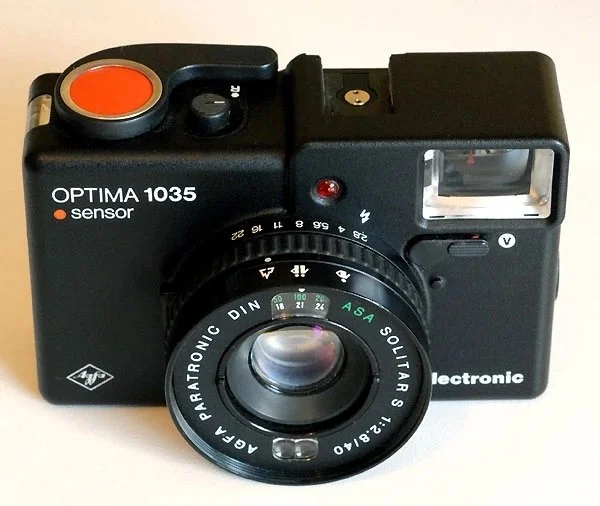
Agfa Optima, 1979
Early beginnings
I got my first camera at 8. A second-hand Agfa Optima from the early 70’s. Point, wind, click, wait a week. Film was cheap. That was 47 years ago.
Since then I've shot with plenty: my dad’s Exa 1a from 1968, two Nikon FE’s, a Contax RTS with a motordrive the size of a brick, a Nikon FE, FM2, numerous point-and-shoots, a D200, D300, D3000, D7000, Mamiya 645’s, etc, etc. And professionally, I evolved from Nikon and Canon DSLR’s, the mirrorless Sony A7 to Fujifilm. The ultra-slow, but exquisite Sigma SD Quattro deserves an honourable mention. Shout out to the Pentax Takumar set.
What 47 years taught me: a camera is just an instrument, your paint brush. You pick it up, it's on. You look through it, you see the world. Not a forecast of the world, rendered on a tiny screen with a live histogram and a battery icon. The world. Through glass. A paint brush shouldn’t require 300 pages of instruction.
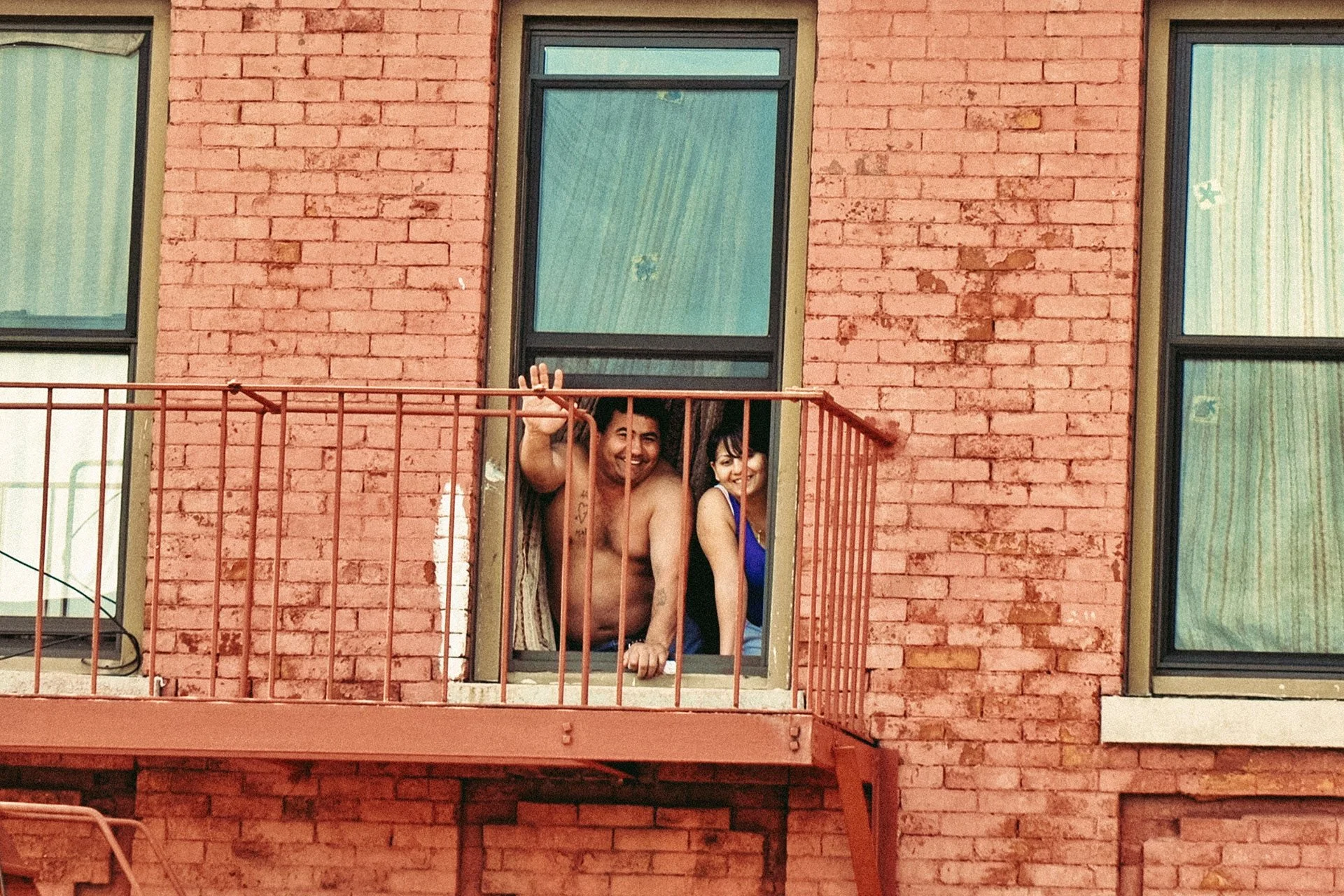
That's how it went on the BQE in 2011. Two faces in a window, a 135mm, me yelling "Sorry about the mess!" Click. No wake-up delay, no menu, no preview. The camera did its job and stayed out of my way.
Upgrade? No. Regrade.
Here's what the industry sells as progress in 2026.
Fewer cameras, higher prices. In the first half of this year, interchangeable-lens camera shipments dropped 4.6%. Mirrorless units fell about 2%, while their value rose about 6%. Translation: you pay more per box. Leica raised prices again in March. Others point at memory chips and say more is coming. A new mirrorless body now runs about $2,600. Without a lens. (No worries, I do recognise the real world currency devaluation from the inflation of the money supply, its graph shows a hockey stick from 2010 on.)
What do you get for it? Let's be fair first. Autofocus is better. Eye detection is better. Stabilisation is better. I'm not going to pretend the X-H2 can't focus. (It can. Not Sony levels, but it will.)
Now the rest of the list:
Battery. My DSLR’s both run all day on one battery. With average use they run for weeks. An electronic viewfinder eats them.
The viewfinder. Glass became a screen. A good screen, but one with a startup, a lag and an opinion about your exposure.
The buttons. Fewer of them, more menus behind them. Custom functions for your custom functions.
Video. Every stills camera is now a cinema camera first. 8K on a camera I buy to photograph people. Who asked? Not me. A year ago I moved all my video from the X-H2 to a DJI Pocket 3. A gimbal camera that fits in my jacket pocket. For good, never looked back.
Heat. Temperature warnings. On a camera.
None of that is an upgrade for what I do. It's a regrade. You pay more, you get different, and different gets in the way. The Canon ‘Cripple Hammer’ has been a real thing for years now.
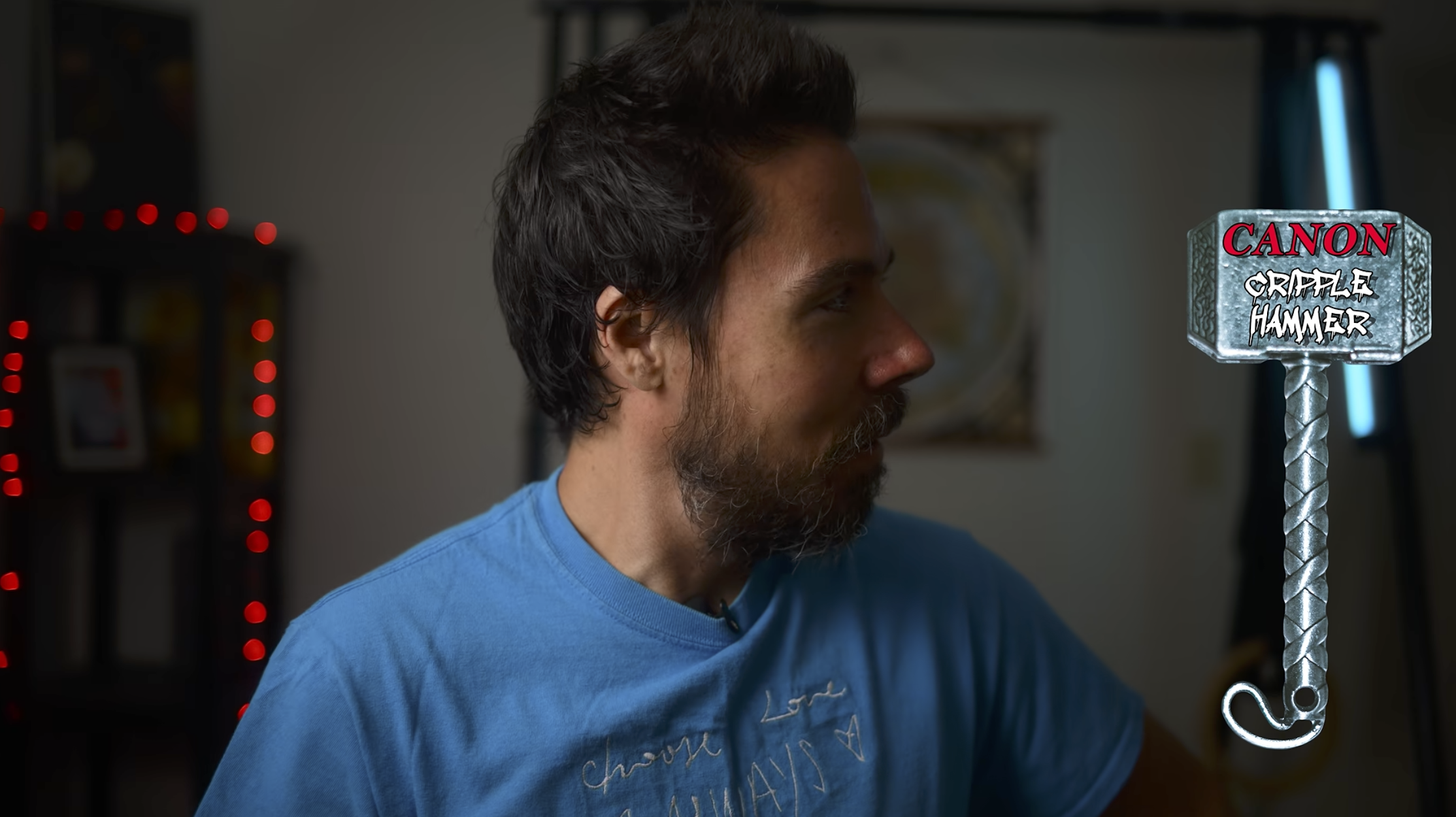
This week Fstoppers asked if cameras have finally peaked. One of the photographers they spoke to still makes portfolio work with a 2008 Canon 5D Mark II. Mine's a Mark III. I'm practically an early adopter.
The last DSLR and the 18-year-old bestseller
On September 8, Ricoh stopped making its current Pentax K-series DSLRs. That was the last major DSLR line still in production. Canon and Nikon left years ago. Ricoh promises a new DSLR "concept". No date, no specs.
Meanwhile, a used Nikon D700 sells for around $249, and photo sites run stories on why it's trending. An 18-year-old camera. Trending. Some already call it the vinyl moment for DSLRs. I bought the D700 again 3 years ago, and recently I ‘upgraded’ the Canon 5D Classic to the Mark III, the sweet spot.
I don't think it's nostalgia this time. (I went down that road with Schopenhauer. Once is enough.) It's simpler. People are doing the math: a camera built like a brick, with cheap lenses and a battery that lasts, versus a camera that does twenty jobs and charges you for all of them.
What this means if you hire me
Clients don't hire a camera. They hire someone who shows up, sees the moment and delivers.
At an event, that means a body that lasts the whole day without a charging break. One that doesn't look like a film crew and make the keynote speaker stiffen up. And my eye at the viewfinder, on the people, not my face behind a screen checking previews.
So the X-H2 lost video to a pocket camera, and stills to two DSLRs from 2008 and 2012. It comes along when a stills job needs it. Most of the time, it doesn't.
Looking for a photographer for an event, a portrait or an editorial job? I bring 47 years of looking, and two cameras that let me do just that. Get in touch.
Or maybe I'm just a 55-year-old who can't find the setting to turn off the setting. Also possible.
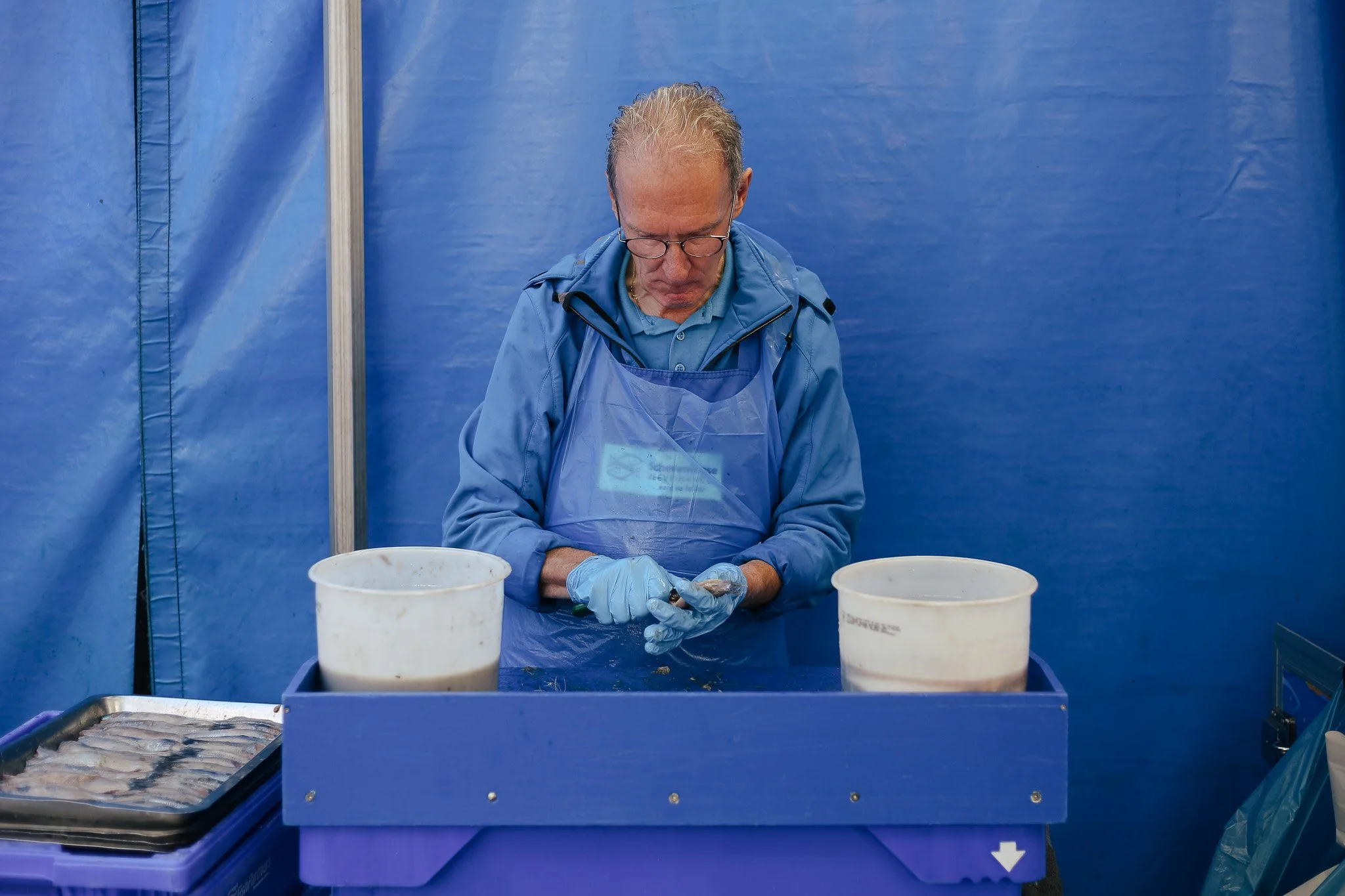
Saturday fish market, Arnhem - Sept 26, 2026
